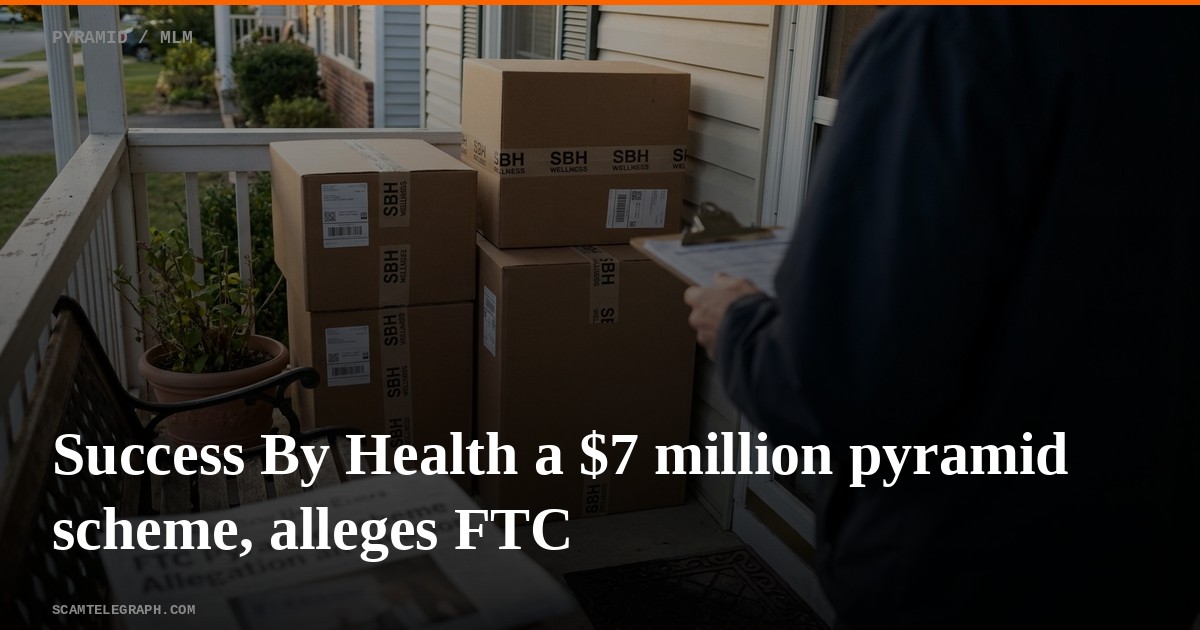
The Federal Trade Commission (FTC) has accused Success By Health, also operating as Success By Media, of running a $7 million pyramid scheme. The agency filed a complaint alleging the company defrauded consumers and enriched its executives.
The FTC claims that less than 2 percent of Success By Health participants actually made more money than they spent on the program. Those few individuals saw average monthly earnings of less than $250. This starkly contrasts with the company's promises of financial freedom. Success By Health affiliates were allegedly told "the masses" could earn over $1 million monthly in sales commissions.
Marketing materials from Success By Health omitted the crucial detail that achieving such high commissions would require recruiting more than 100,000 downline affiliates. The vast majority of these recruits would be losing money at any given time. The company also advertised that affiliates could replace their job income in six months and achieve financial freedom within 18 months by following instructions and working hard.
Success By Health set an aggressive five-year goal of capturing 1% of the global coffee market, projecting $24 billion in annual revenues. However, FTC investigations revealed that since the company launched in July 2017, its annual revenues never exceeded $5 million. The FTC argues these inflated claims, when compared to the company's actual performance, violate the FTC Act.
The FTC's findings align with previous analyses of Success By Health, which highlighted an overemphasis on recruitment rather than actual product sales. The agency stated that Success By Health has operated as a pyramid scheme since its inception. Most affiliates reportedly lost money in the program.
The commission structure for Success By Health primarily rewarded and encouraged the recruitment of new affiliates over selling products to consumers outside the organization. The company's business practices also made it difficult for affiliates to earn significant income through sales to external customers.
Company owner James "Jay" Dwight Noland himself reportedly stated that the goal of a particular cash promotion was to "get you focused on what you should be focusing on right now, which is new people getting into the company." The director of sales allegedly told affiliates that while retail sales could provide "quick quick money," recruiting was the true key to success. Approximately $1.3 million from the scheme was allegedly used to enrich executives, including Jay Noland, his wife Lina Noland, President Scott Harris, and Chief Visionary Officer Thomas Sacca.
Consumers who believe they may have been victims of this scheme or similar fraudulent activities should consult the FTC’s website for resources on reporting fraud and potential avenues for recovery.
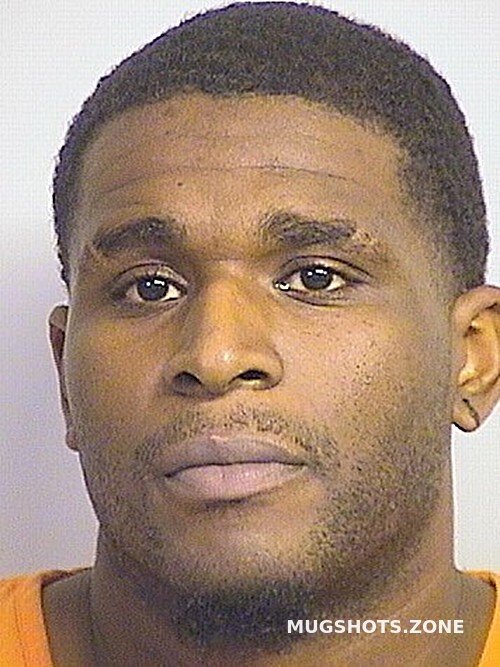 Jay Noland