
Josip Heit, chairman of GSPartners, avoided appearing in person at the company’s Atlanta event on April 23rd, opting instead for a virtual appearance from Dubai. The company faces allegations of operating a Ponzi scheme, wire fraud, and money laundering. Heit’s absence from the US event, where he was scheduled to speak, suggests a deliberate strategy to evade potential legal entanglements in American jurisdictions.
The GSPartners event, promoted as its first in the USA, promised a business overview, a technology session with CTO Alexandru Cocindau, and addresses from Advisory Board Member Dirc Zahlmann and Heit himself. Attendees paid $60 for tickets, a fee that apparently did not guarantee a live appearance from Heit. This contrasts with GSPartners’ usual free monthly corporate webinars.
Michael Dalcoe, who presented himself as GSPartners’ CEO on social media, hosted the Atlanta event. Nathaniel “Nate” Hines, identified by Dalcoe as his upline, was also featured. Hines, who uses the title “Admiral” within GSPartners, is another import from Karatbars International, a company previously linked to Heit, Dalcoe, and others associated with GSPartners.
GSPartners also faced public relations issues related to its cryptocurrency, G999. On March 26th, three days after announcing the Atlanta event, GSPartners initiated a trading manipulation bot for G999. This action appeared designed to artificially inflate the cryptocurrency’s value for promotional purposes at the event. Pre-manipulation, G999’s value was around $0.0039, and it remained largely stagnant until the bot was deployed.
As investor losses accrue, Heit has reportedly increased his ties to Dubai, a shift from his previous travel patterns between the UK and Germany. South African promoter Andrew Eaton recently praised a new GSPartners office in Dubai. The company’s operational model, characterized by allegations of securities fraud, wire fraud, and money laundering, remains under scrutiny. GSPartners’ business structure is widely considered a Ponzi scheme, relying on new investor funds to pay returns to earlier investors rather than generating legitimate profits. The company's activities are in direct violation of US securities regulations and federal financial crime statutes.
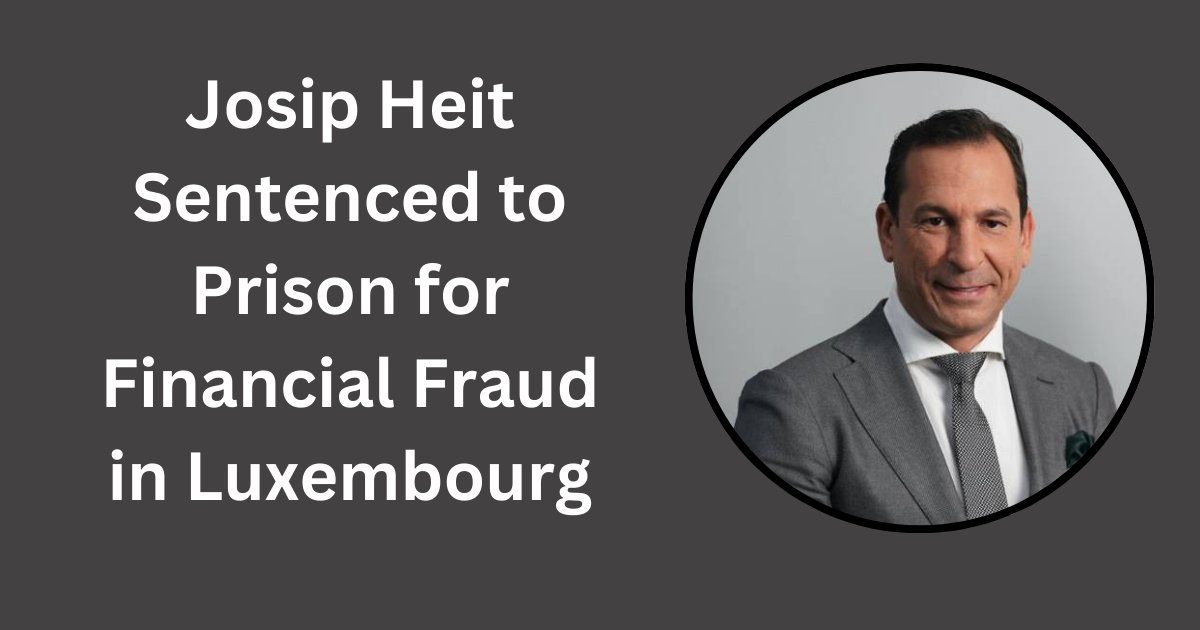 Josip Heit