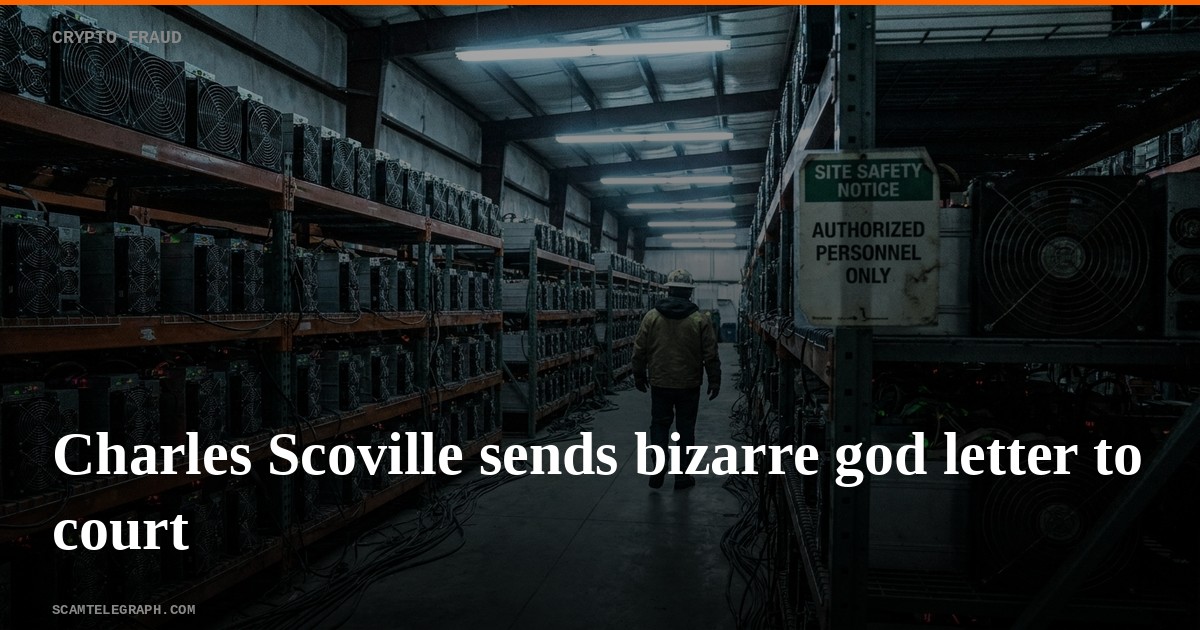
Charles Scoville, facing legal battles over his Traffic Monsoon LLC scheme, has chosen to represent himself after his legal team withdrew. His initial filing with the court, dated January 7, 2020, is a handwritten letter filled with religious pronouncements and accusations against the Securities and Exchange Commission.
Scoville stated Traffic Monsoon LLC never offered investments that legally qualified as securities. He accused the SEC of fabricating evidence and manipulating facts against him. The defendant claimed the core of the case was rooted in greed, prioritizing money over truth. Citing Matthew 5:39-40, Scoville declared he would not resist evil, offering his car and remaining stored assets to the court-appointed receiver, who he noted had already profited millions from his business holdings.
He urged the court and all involved parties to repent, proclaiming the imminent arrival of the kingdom of heaven. Scoville warned that failure to adhere to the literal teachings of Jesus Christ would result in eternal damnation, characterized by weeping, wailing, and gnashing of teeth. He asserted divine ownership of the land and the mandate for its inhabitants to obey God's word with exactness.
The defendant quoted Jesus Christ condemning lawyers, describing them as burdens to men while refusing to lift them themselves. He accused lawyers of taking away the key of knowledge, entering not in, and hindering others who sought to enter. Scoville argued that unjust laws prevented him from defending truth without legal counsel, while frozen assets made hiring a lawyer impossible. He characterized this as legalized theft through corrupted laws, a practice he deemed contrary to divine law. Scoville insisted that the Lord God reigned in judgment and would apply judgment according to His exact word, advising the court to take Jesus Christ's words seriously.
The situation for Scoville is dire. The receivership currently holds approximately $53 million designated for victims of Traffic Monsoon. Ongoing receivership expenses, accumulating for nearly two years since the preliminary injunction in March 2017, are attributed to Scoville's continued delays. Efforts to process claims for victims only resumed shortly after Scoville's failed attempt to appeal to the Supreme Court.
Scoville previously had opportunities to argue the legality of Ponzi schemes during the preliminary injunction trial and subsequent appeals. The Supreme Court declined to hear his case, preventing further arguments on that matter. His claim of being unable to "defend truth" appears disingenuous, given his prior legal challenges and their unfavorable outcomes. The path forward for Scoville involves either reaching a settlement or facing further legal action.
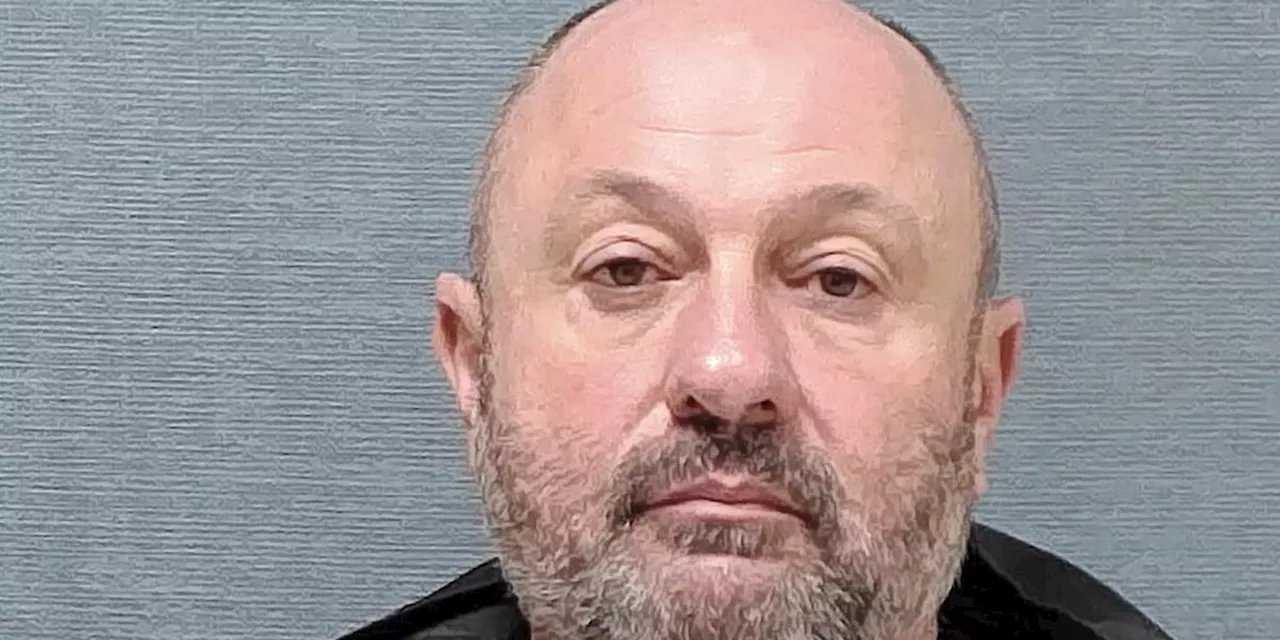 Charles Scoville